Review of the 7Artisan 18mm f/6.3 body cap lens for APS-C
By Daniel Rider
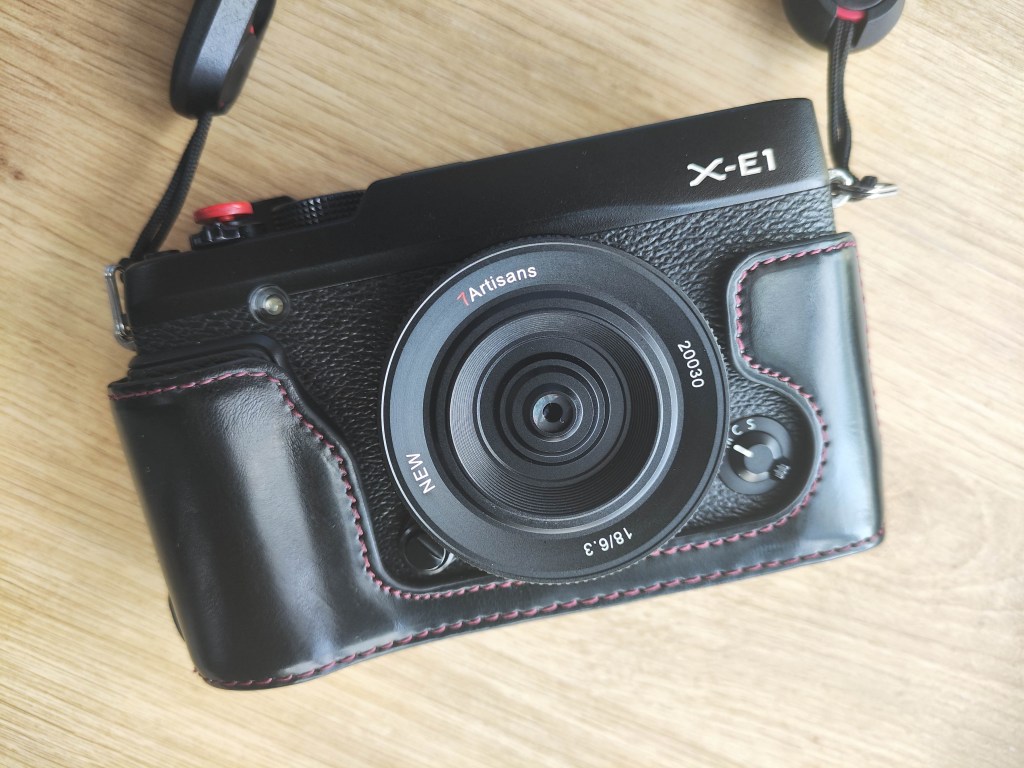
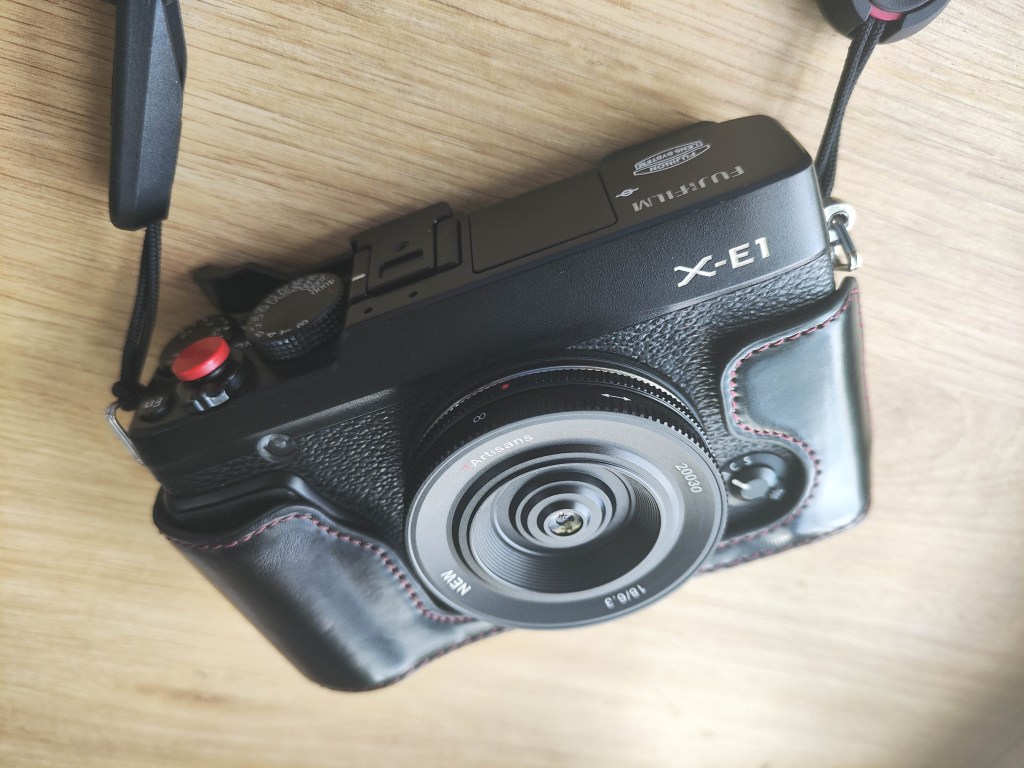
If you’ve read any of my other work on 35mmc or Casualphotophile.com, you probably know I love the concept of the wide angle (28mm focal length) and a highly capable camera that fits in one’s pocket. In my elusive search for the do-it-all perfect camera, I’ve tried many options in both film and digital. Some favorites include the Minolta TC-1, Contax TVS, and the Ricoh GR (film or digital). Each one has great strengths, and considerable shortcomings.
As an amateur (mostly unpaid) photographer, cost is always a major factor in my gear hoarding. Wanting to save money on film – I recently picked up the Fujifilm X-E1 after reading Sroyon’s fantastic review of the X-E4 (and not having the budget to get the 4th rendition). The first lens I got was the Fujinon 18mm F/2. An incredible lens with 28mmish equivalent (technically 27mm?). While I loved the photos it takes, and by SLR standards the lens is quite compact – it isn’t even jacket pocketable. And, I discovered that in my attempt to digitally simulate the feeling of shooting with my film camera, the Minolta ALS rangefinder from the 1960’s, the not-so dampened 360 focus ring on the Fujinon wasn’t any fun to shoot in manual focus mode but a cheap prime I had bought (the TTArtisan 25mm f2) was fun and much faster since the X-E1 has relatively slow autofocus anyway. With a manual focus lens – I can shoot almost instantaneously as long as my F stop isn’t too open and the focus is close to the correct distance.
Enter the 7Artisans 18mm F6.3. I had the M-mount 7artisans 35mm body cap lens for a Minolta CLE and liked it for what it was – so the concept of a small pancake/bodycap lens is familiar to me. There’s two versions (mark 1/mark 2) of the 18mm lens – we’re talking about the manual focus Mark 2 version here. The lens is a really solid metal disk with an excellently dampened focus ring (which is basically the exterior of the lens!). The fixed aperture is nearly the perfect F-stop for how I will use this lens – zone focused quick street shots where I need at least f5.8 to guarantee the subject is in focus and wide landscape shots. Having a few aperture choices would have been great – but for $60 – not likely. And not sure that making the lens bigger would be worth it.
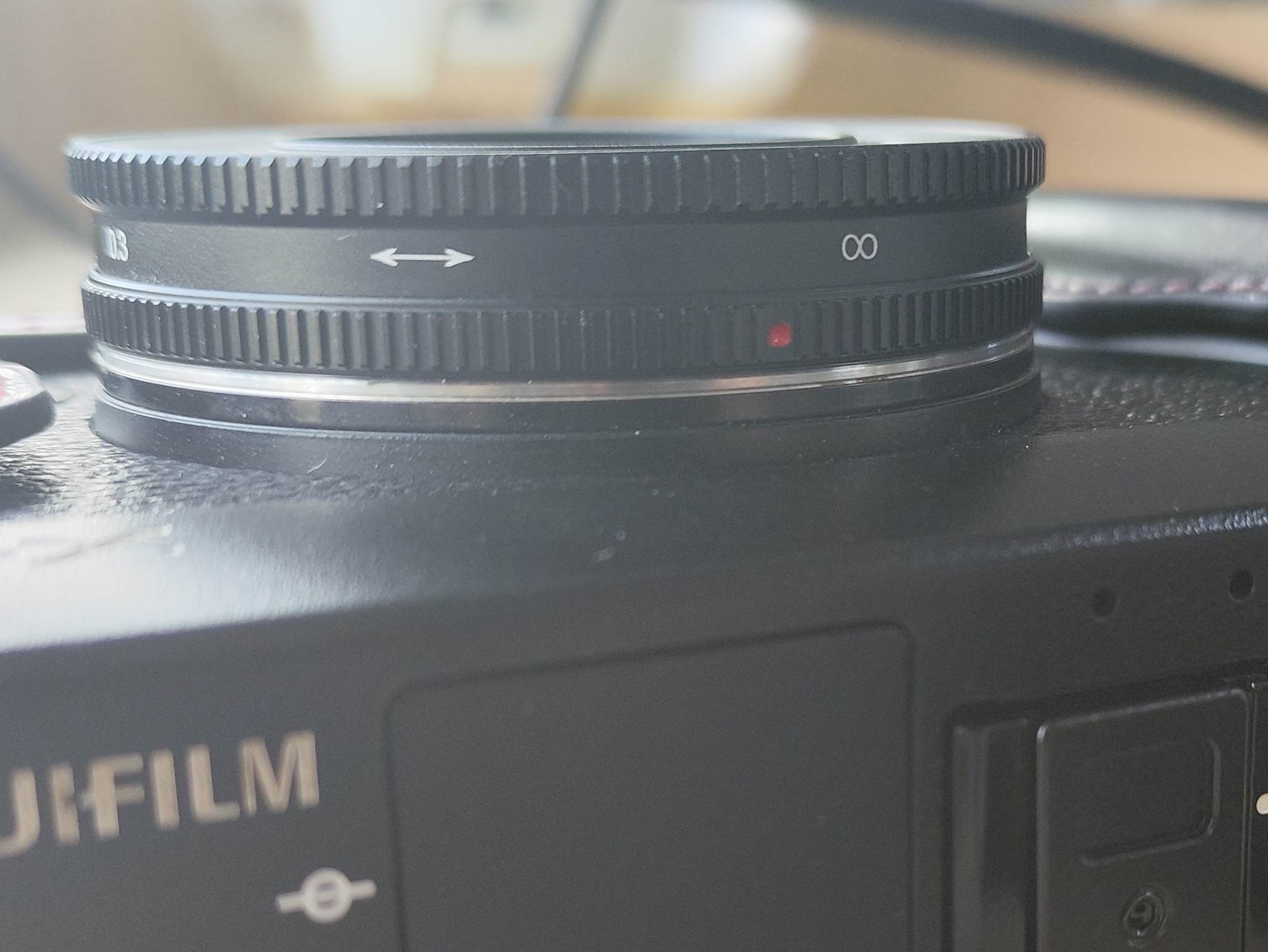
So, what kind of lens is this? It closely reminds me of the results from a Lomo LC-A, but softer. Same Vignette – but only sharp details in the very center. It has a haze when shot towards the bright sun, and the focus is mostly unmarked – from 0.3m to Infinity. To note, like many lenses, the closer distance require more focus throw, then things move rapidly the last 20 degrees from about 3 meters to infinity. I appreciate this as it allows us to hone the focus of near objects where we will have some depth of field bokeh (only a little) more precisely and to jump from 3 meters (a good average for street photography) to infinity to catch the whole landscape is easily accomplished. Below you can see the 0.3m setting, middle is the double arrows on the top of the lens (I’m guessing 2m), and infinity.
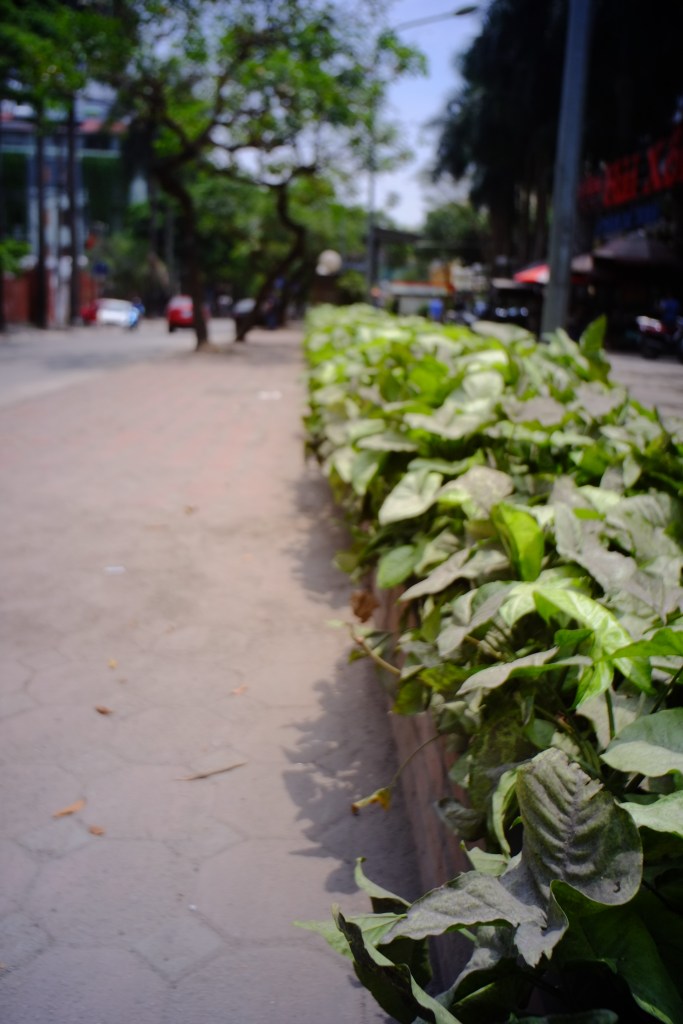


You can also note the vignette and lack of clarity near the edges. I’m not using this to compete with the Fujinon 18mm lens – which is a fantastic lens! This lens is for candid street shots when I need the camera in my denim jacket inside pocket. The X-E series is perfect for this because, unlike the GR and other highly compact cameras, the X-E series has an Electronic Viewfinder (EVF) while still being very compact. While the GR series is debatably the king of professional pocket cameras, lack of viewfinder had mine collecting dust (Yo Ricoh! Why not add a smallish EVF like the Lumix TZ series has?). On the X-E1, focus aids are back button zoom, and focus peaking which causes a white fringe around the edges of in focus objects. Shooting with this lens is sort of like having a pocket (28mm full frame equivalent) slr because you can see how the photos will look during the shot, too light/dark, what’s in or out of focus, and to what extent the lens has achieved some subject isolation if possible. As for the sharpness/details of the 7Artisan 18mm, here’s an original and cropped .jpeg.

For pixel-peeping, the lens just lacks that punchy resolution that a larger lens with the ability change to f8-f22 might offer. If you’ve read this far, you’re probably not looking for a professional lens with best-in-class optical performance. Read on! Here comes the fun part!
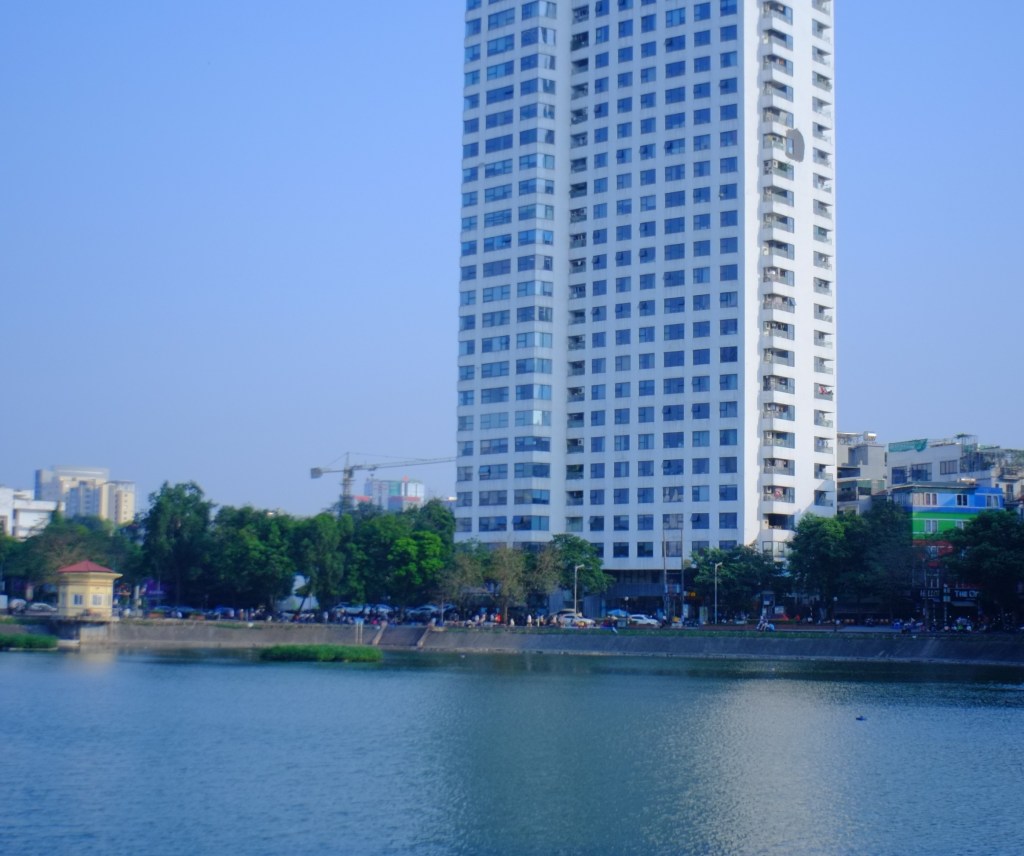
So, I walked around shooting, using both the EVF and occasionally chimping at the screen. I was able to get some candid shots, some landscapes, and test the lens for flaring. It did great as I was expecting results similar to the Lomo LC-A, which I got. Here’s some of the best shots, these are SOOC (straight out of the camera) jpegs. The settings are supposed to emulate a color+ type of film, so perhaps poor examples of the lens’ color rendition.

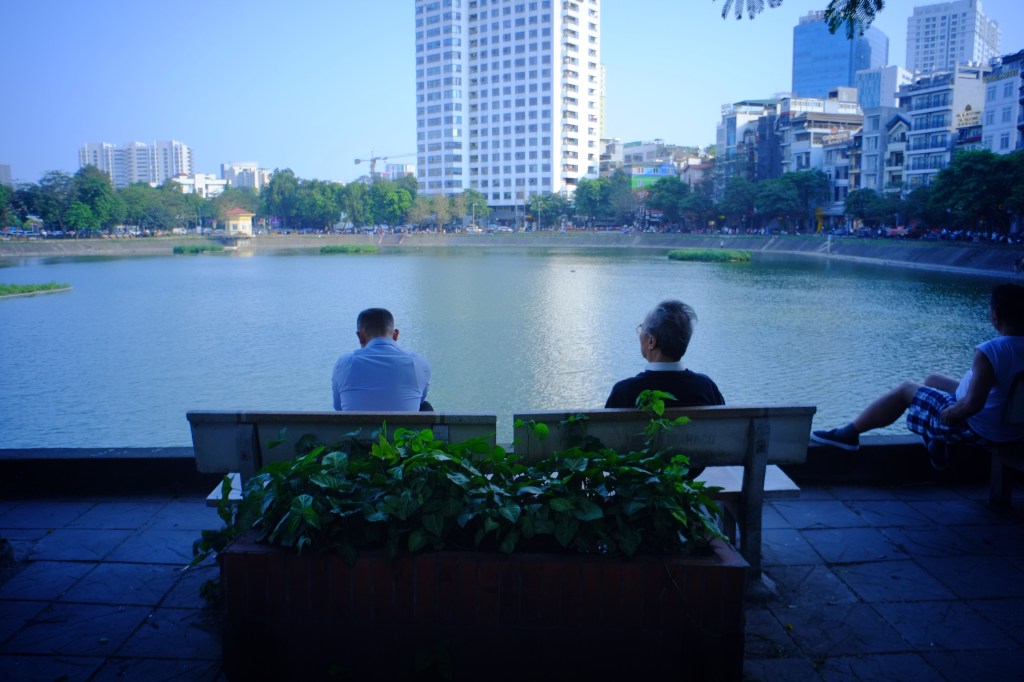
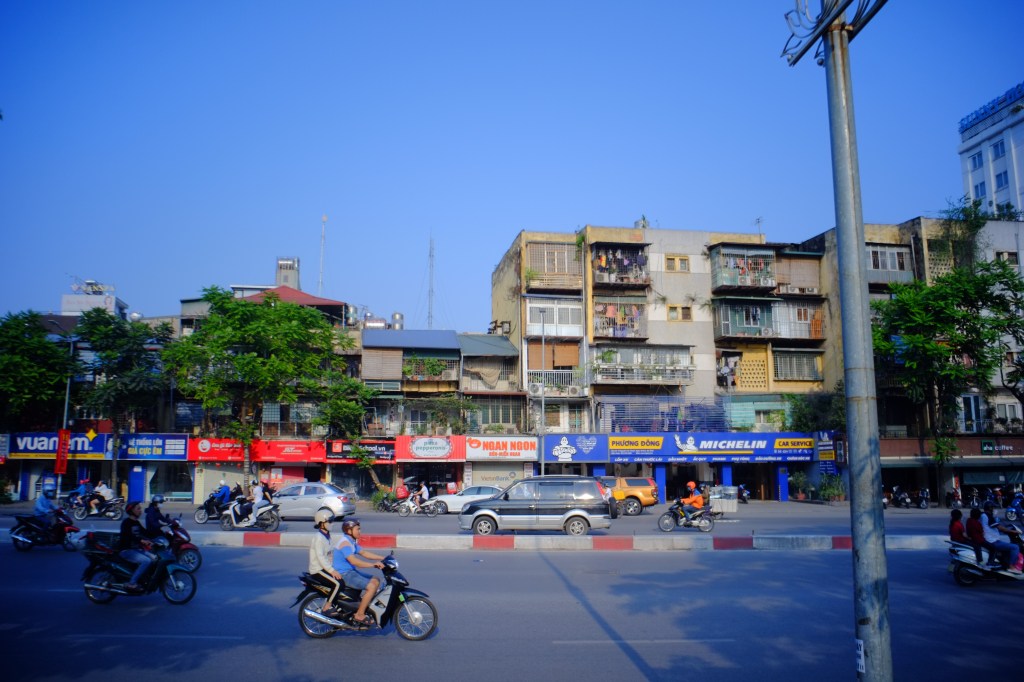
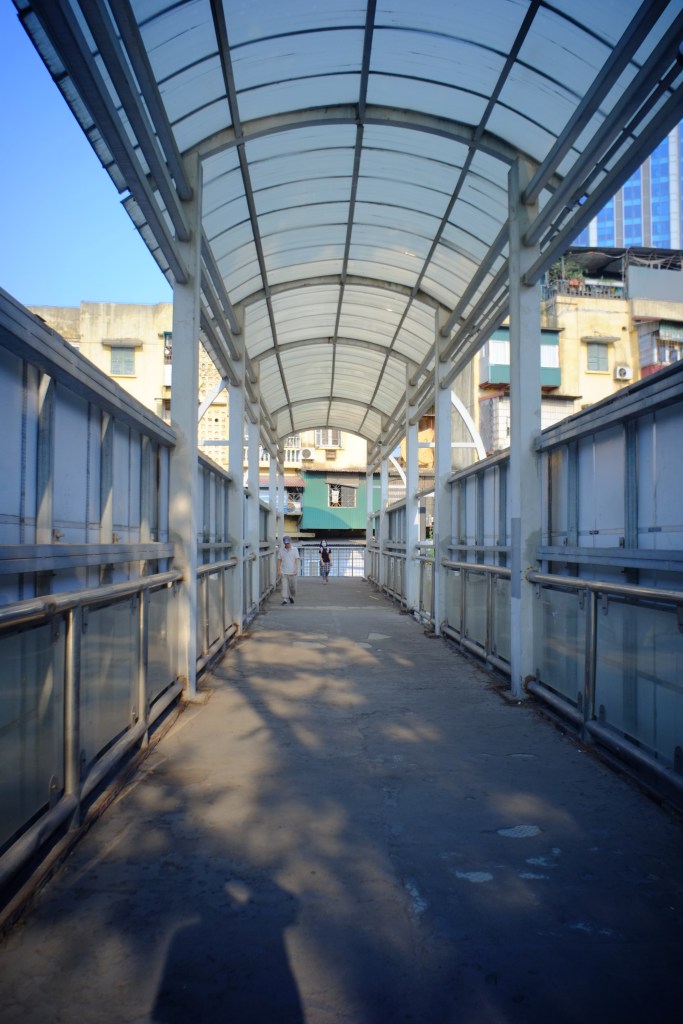
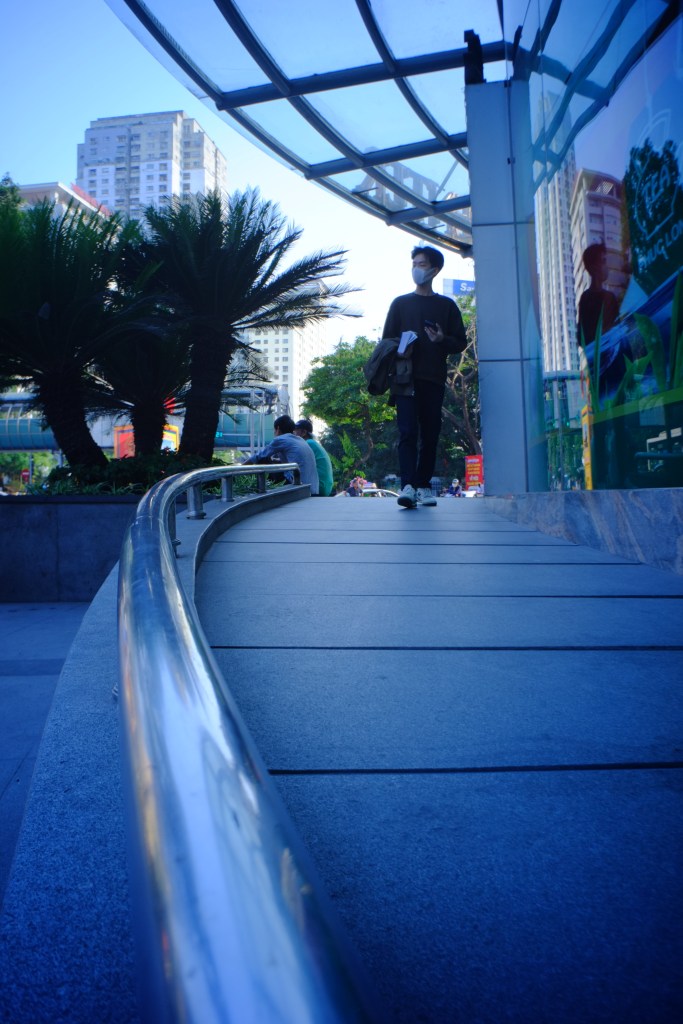

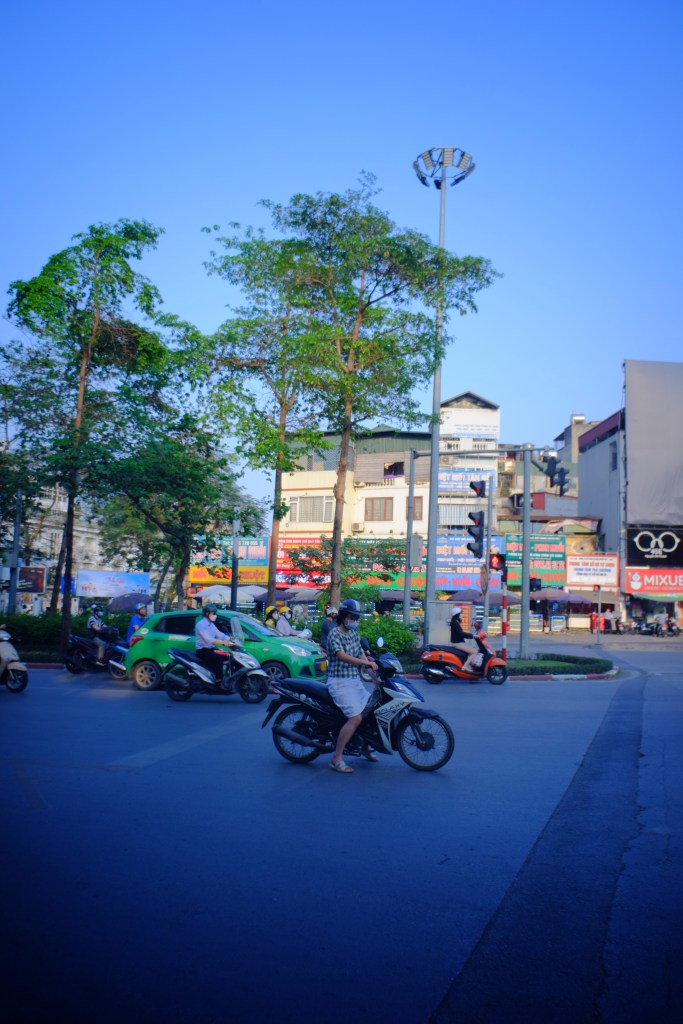
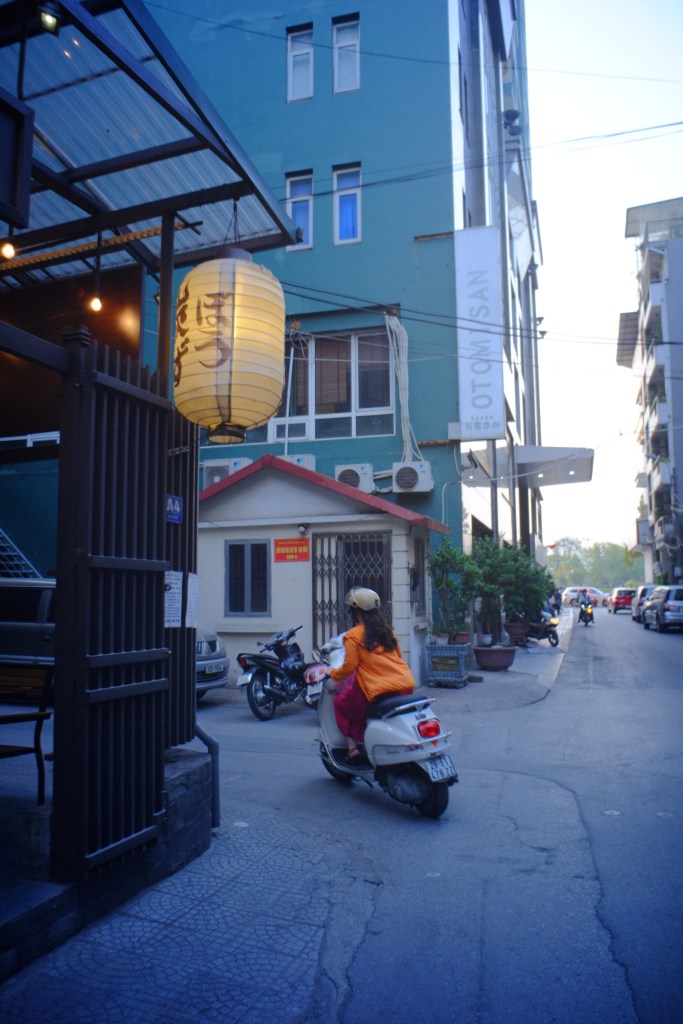
To show how the lens handles color, here’s a different custom setting where the color isn’t turned up to a ridiculous level.
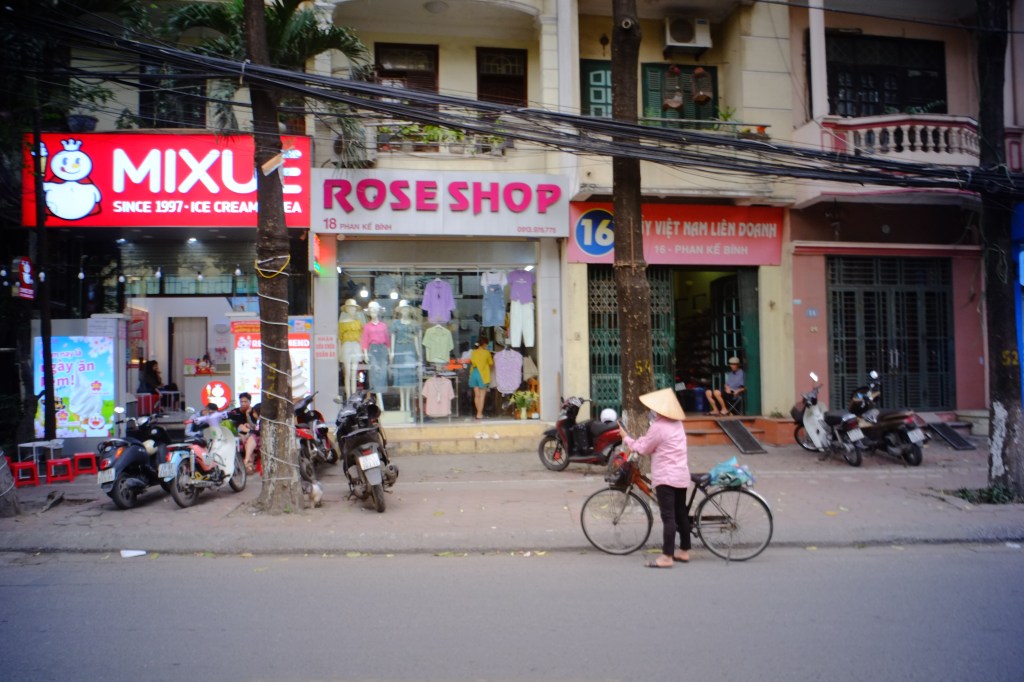
It seems to offer a slight magenta cast, but not too bad.
I love this lens for my type of photography, which is based on fun and experimentation, catching weird stuff I see while on photo walks, and not taking things too seriously. I also didn’t get a body cap when I bought the Fujifilm X-E1 (I accidentally gave it back to the seller during the exchange at a local cafe) and needed one anyway. Now I’m wondering when I will take it off to use a “real lens”. Not anytime soon.
To get your own 7Artisans 18mm f6.3 with fast shipping and guaranteed delivery, consider using my affiliate link here. I promise to continue shooting photos and posting more reviews of street and travel photography gear.
What are your thoughts on this lens? Love it, hate it, or can’t live without it? Let me know in the comments…
 VijnBord
Leave a comment